By now, most of us have heard about the influencers who left their manners at home during the U.S. Open last month. The tournament even revoked credentials from a few influencers over their behavior, reigniting a familiar debate about where influencers should and shouldn’t be welcome.
I won’t add my two cents on whether those influencers crossed a line; that conversation has been had plenty of times. What I want to point out is bigger: manners and social norms have been slipping for years, and not just among influencers. A Pew Research Center survey found that nearly half of U.S. adults (47%) believe people have gotten ruder since the COVID-19 pandemic.
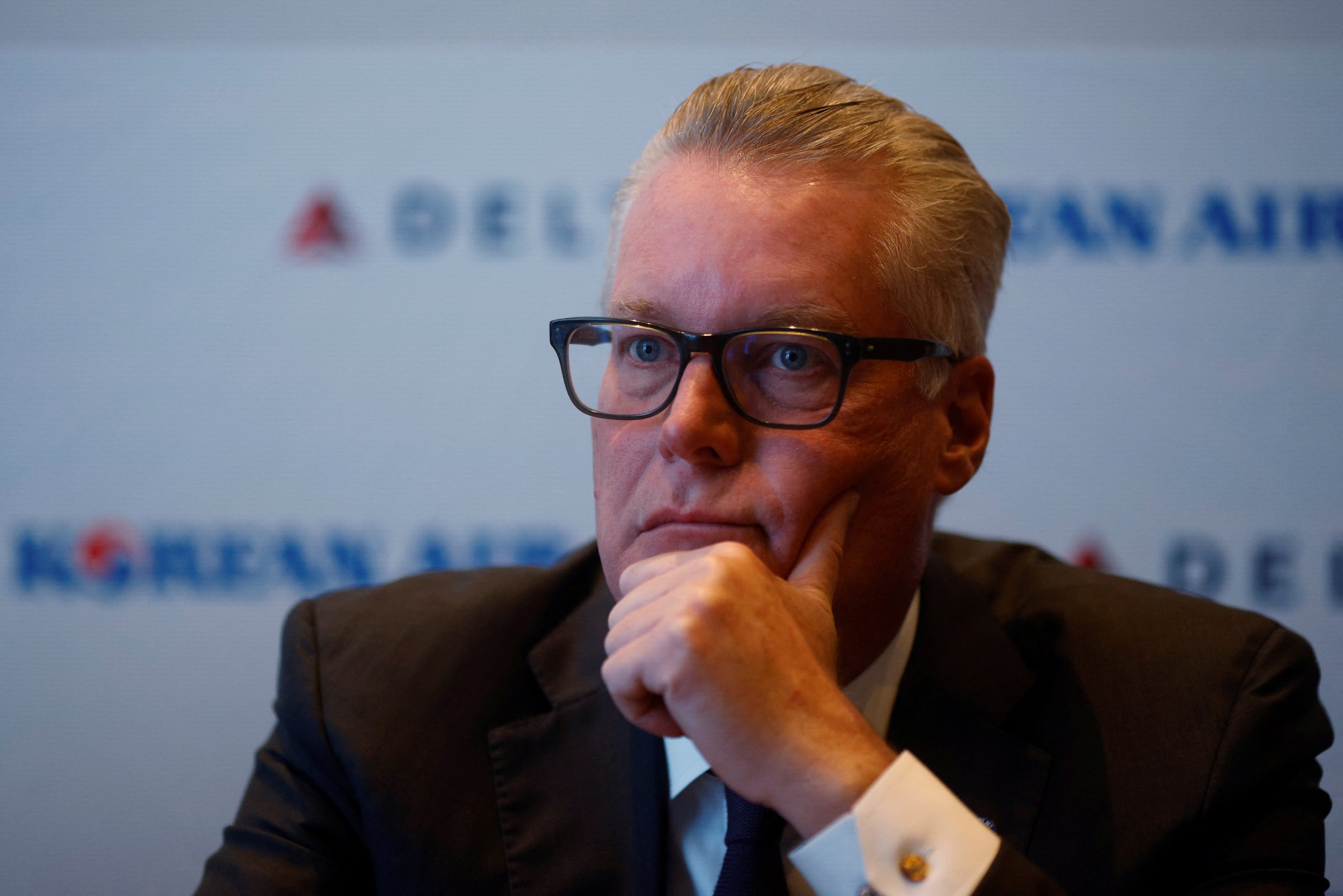
You can see it on the roads, where drivers are nastier than they need to be. You can see it in the flights, where some passengers seem to have forgotten how to act. But when Delta’s CEO weighed in on “the loss of civility” in air travel, he said the quiet part out loud. He blamed budget airlines for driving down the price of flying and letting newcomers spoil what used to be a more polished experience. His words: “During COVID, many people were flying for the very first time because prices were so cheap and they didn’t even understand what the flying experience is about.”
Wow! A similar sentiment is at the core of a lot of these anti-influencer conversations, if you ask me. When well-established institutions like Wimbledon or the Emmys complain about creators in their spaces, they’re putting their elitism on full display.
Let’s call a spade a spade: influencers are New Money, and these century-old institutions are Old Money.
Tennis and film have long had high barriers to entry, and countless groups of people have been kept out. Remember #OscarsSoWhite conversation from a few years ago, when observers called out the lack of racial diversity in the Academy? People were pointing out how barriers to entry in Hollywood, coupled with racial bias, have excluded potential newcomers.
More recently, a few creators were criticized for offending Julia Fox while interviewing her on an Oscars red carpet. But as Drew Afualo smartly pointed out, “Journalists offend celebrities just as often and willingly.” And she’s so right! You can easily pull up a compilation of entertainment journalists asking disrespectful questions to celebrities, like when David Letterman repeatedly brought up Lindsay Lohan going to rehab instead of talking about her upcoming film 😷
In the case of traditional media reporters questioning the merit of social media creators and whether they should be granted press passes at prestigious events, I think the bitterness is also linked to the fact that the decline of traditional media is largely connected to the boom of social media. Still, we cannot deny the importance of social media creators in shaping culture. Going back to the U.S. Open situation, both Naomi Osaka and Jessica Pegula acknowledged the role that creators play in bringing exposure and excitement to the sport.
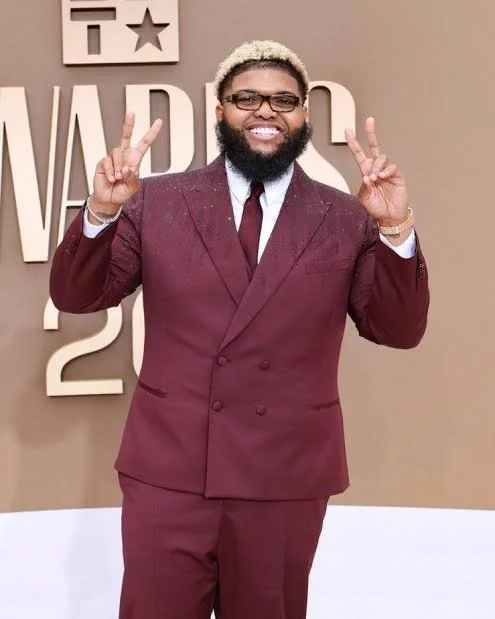
When I heard the news that Druski is about to become the first digital creator to host SNL, I knew the moment would be a huge milestone for the creator space. He didn’t get to where he is through years of acting school or Hollywood agents and connections. The Atlanta native grew an audience from consistently posting hilarious content, something that anyone with a smartphone has the ability to attempt.
So the next time you hear someone complaining about influencers at some prestigious event, ask yourself why someone is so mad. Because we all know you’re more likely to hear about these cultural moments from social media and not from the evening news or a newspaper.
And before I sign off – make sure you vote! Just 1 week until election day. In the meantime, please scroll responsibly!